
Eating Tea
One Leaf, Two Logics

I confess I am more of a coffee drinker.
But tea has always fascinated me.
In Sri Lanka, I learned something I should have known: it was once a coffee country. In the nineteenth century, Hemileia vastatrix - coffee leaf rust - devastated the plantations. The British replanted the hills with tea.
Ecological collapse, followed by imperial re-engineering.
I tried to imagine those same green slopes covered in coffee shrubs instead of the manicured tea rows that exist today. It was difficult. The landscape feels permanent. Permanence is often engineered.
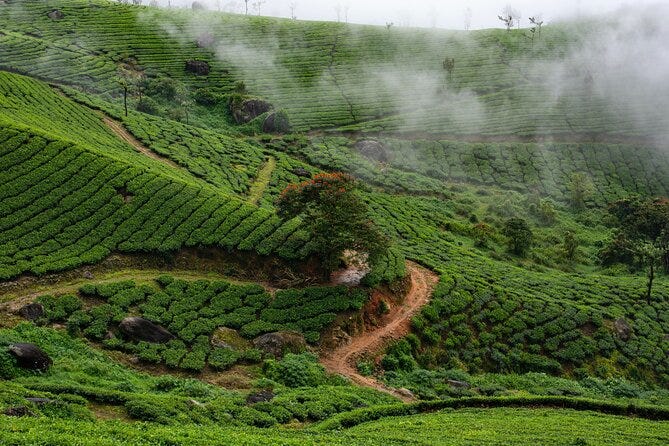
The landscape feels permanent. But permanence is often engineered.
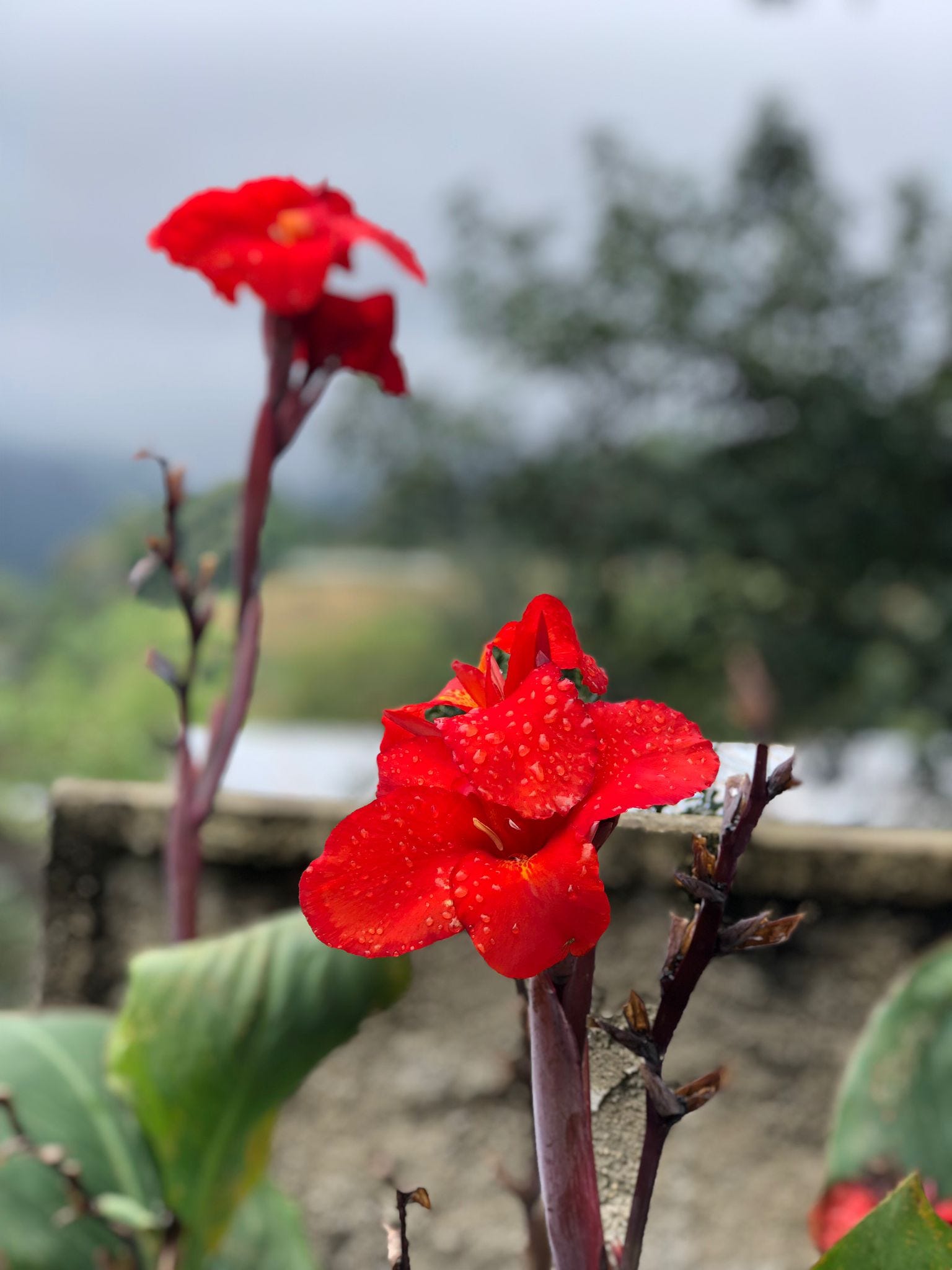
In the foreground of one hillside, a canna lily flared red against the mist. Not native. Planted. Like tea. The hills looked eternal. But they were arranged.
I had to see it for myself. We drove up to Uva - about 4,500 feet above sea level. Mist. Sharp air. Trimmed hedges curving along the ridgeline. Waterfalls. Monkeys. Just beautiful.
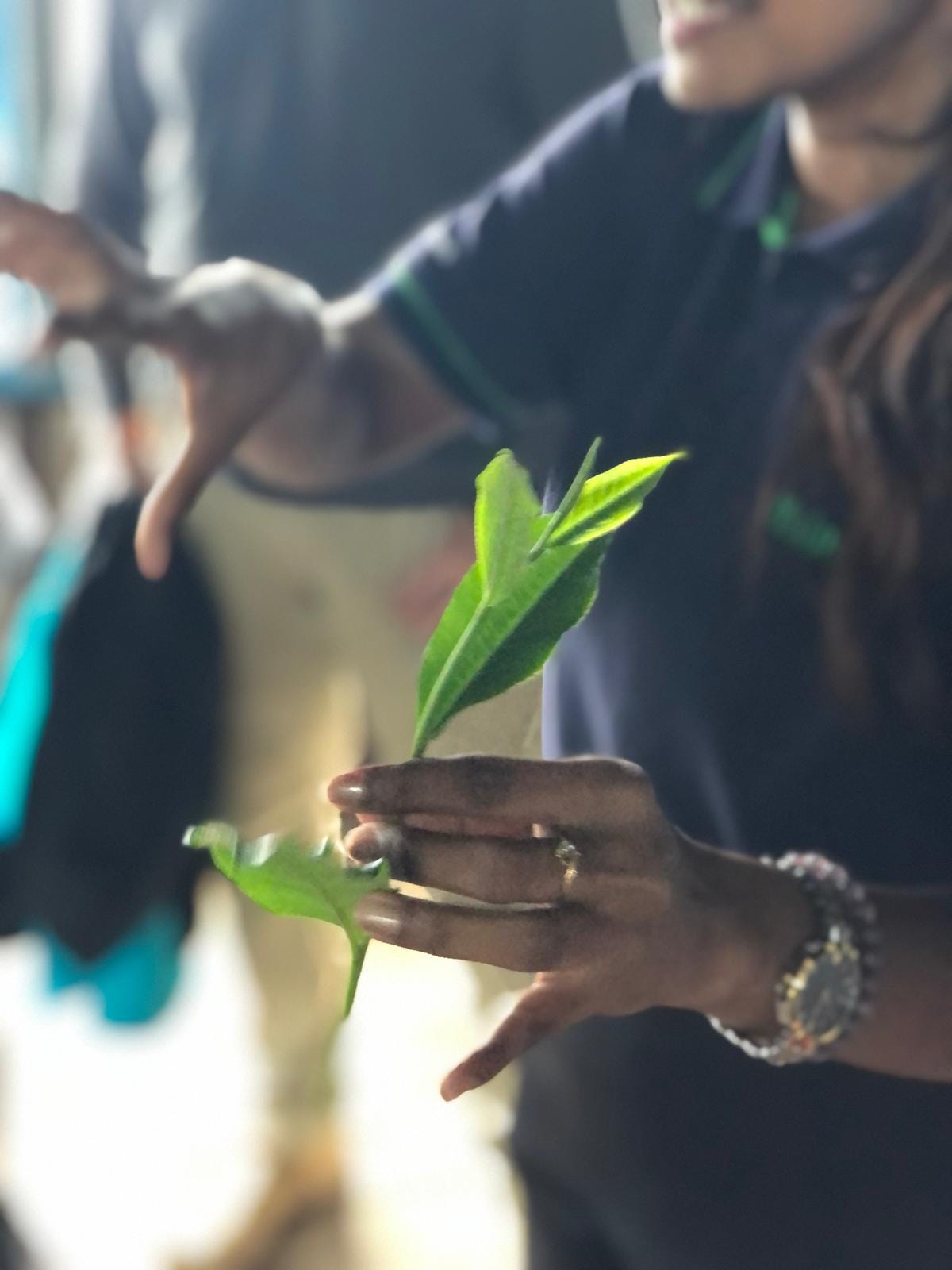
After the obligatory factory and shop tour, a tea plucker showed me how to harvest properly: two leaves and a bud.
She moved quickly and precisely, fingers trained by decades of repetition. By the end of the day she would fill her sack with kilos of leaves. I was less productive - perhaps because I was not barefoot, perhaps because she was simply an expert.
She was seventy and barefoot, her soles darkened by the same soil that has fed estates for generations. She did not look at the bushes when she picked. Her fingers knew where to go. Twist. Snap. Drop. Twist. Snap. Drop.
I tried to follow her rhythm and failed. My grip was wrong. I pulled too much stem. I hesitated. She laughed - not unkindly - and adjusted my hand, folding my fingers inward so the bud sat just so between them. “Two leaves,” she said. “And a bud.”
By the end of the day her sack would be heavy with kilos. Mine held only a scattering. Skill here is measured not in abstraction but in weight.
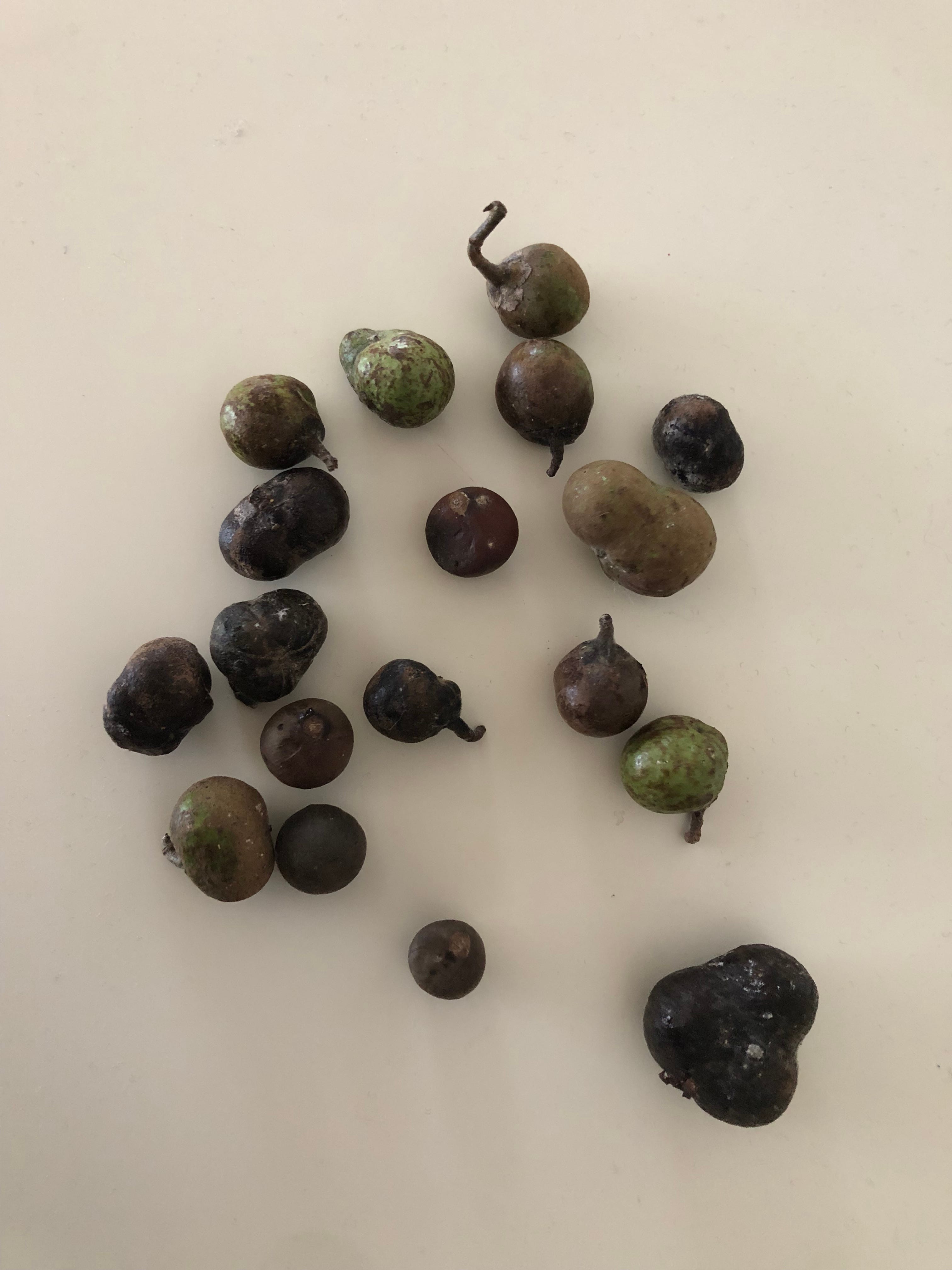
Before we parted, she pressed a handful of tea seeds into my palm. Small, dark, irregular. I placed 200 rupees in hers. An exchange, but not an equal one.
Planting from seed is slower than planting cuttings. Less uniform. Less predictable. But the roots go deeper.
Empire prefers cuttings - cloned and disciplined into rows.
She placed a handful of tea seeds into my palm, and I in turn placed 200 rupees in hers.
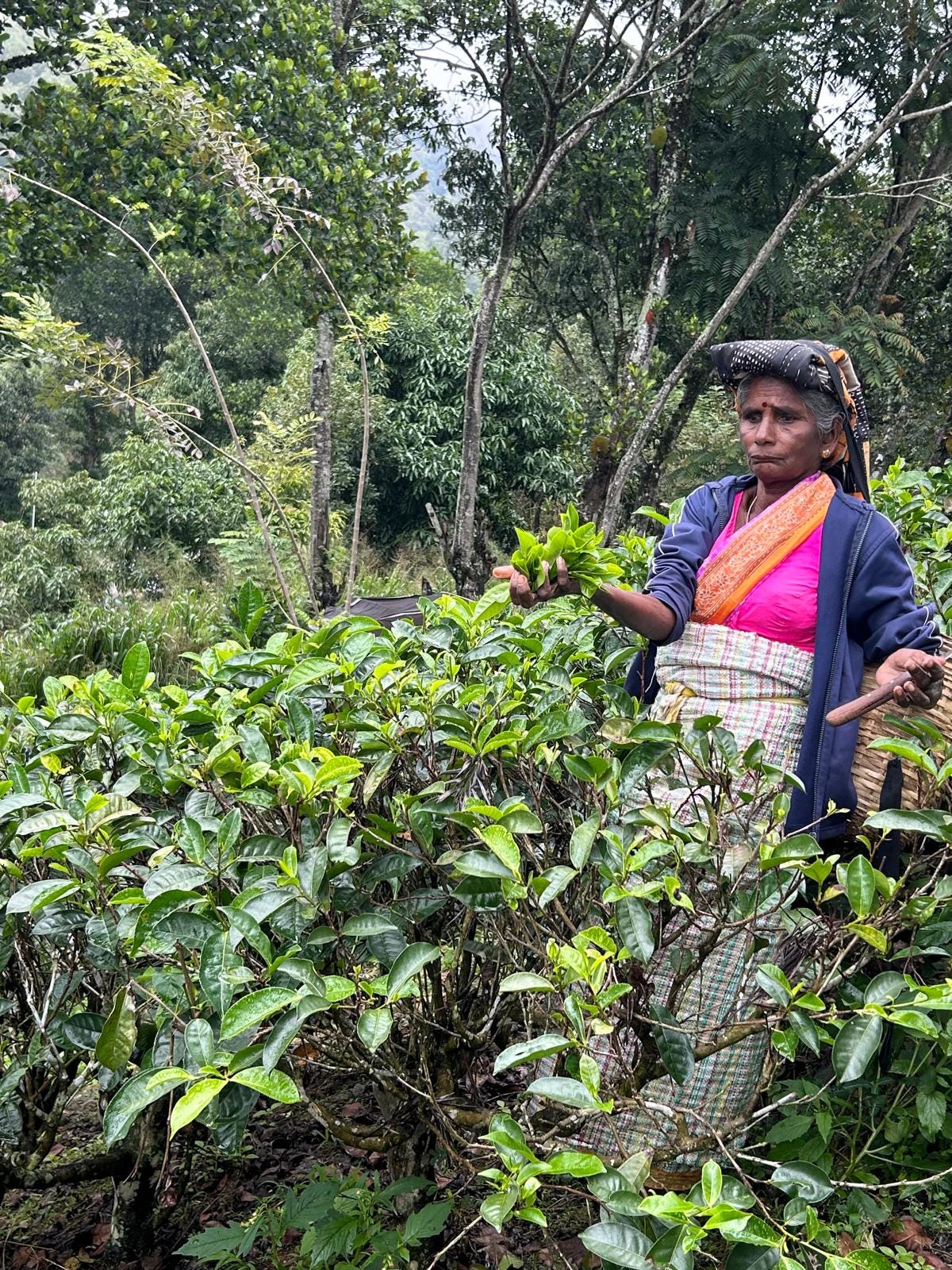
Tea plucker, Uva highlands, Sri Lanka. Two leaves and a bud.
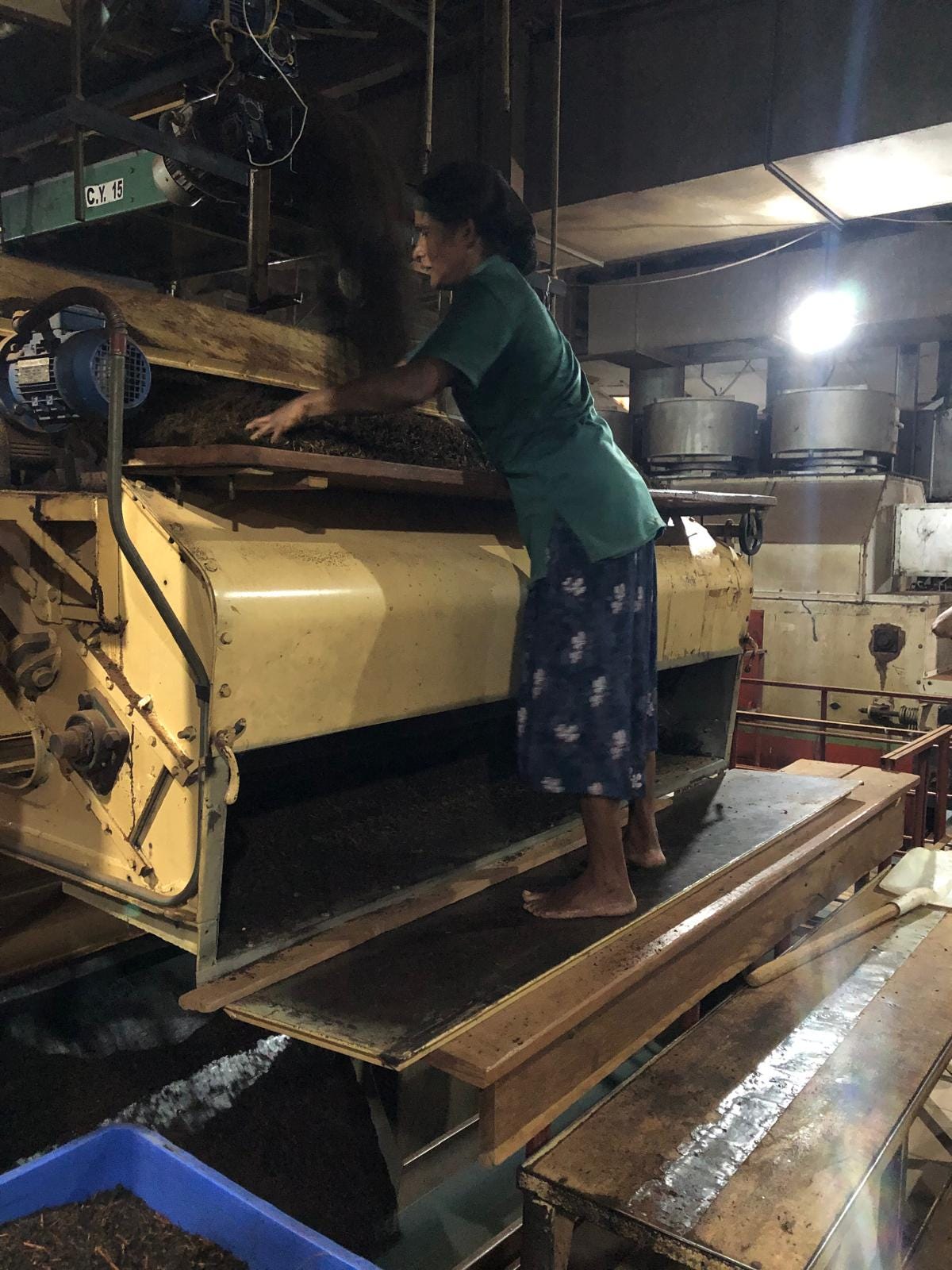
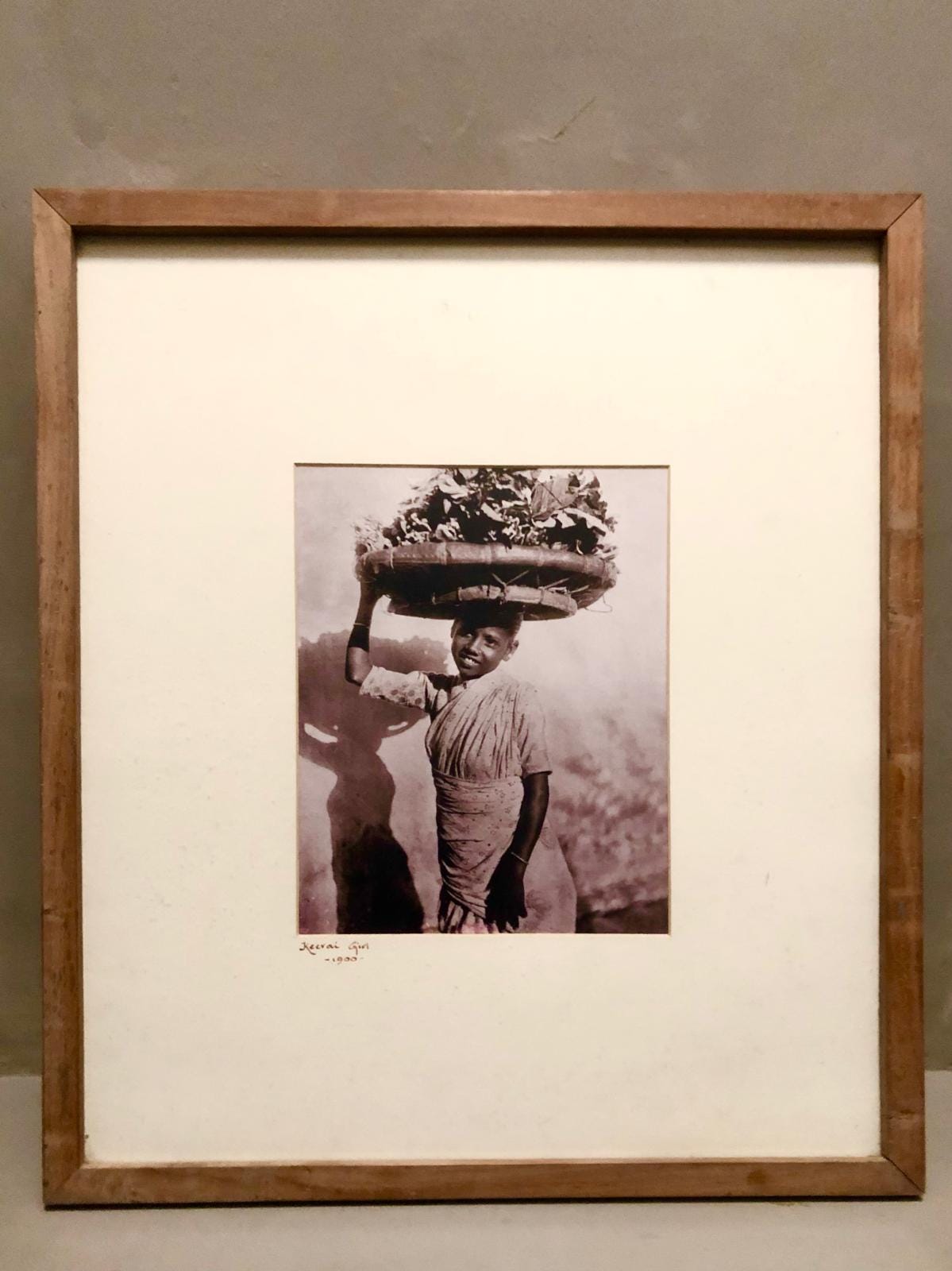
In Uva, as in much of Sri Lanka’s tea country, most of the field workers are women.
I watched their fingers move toward the long chain that ends in packing and export. I felt briefly entangled in history: picking leaves grown on plantations worked by descendants of Tamil laborers brought from South India under British rule. Tea is beauty layered over exploitation. The landscape is serene; the history is not.
I had come to Sri Lanka thinking about tea as something poured.
Measured in grams.
Infused in cups.
Auctioned in Colombo.
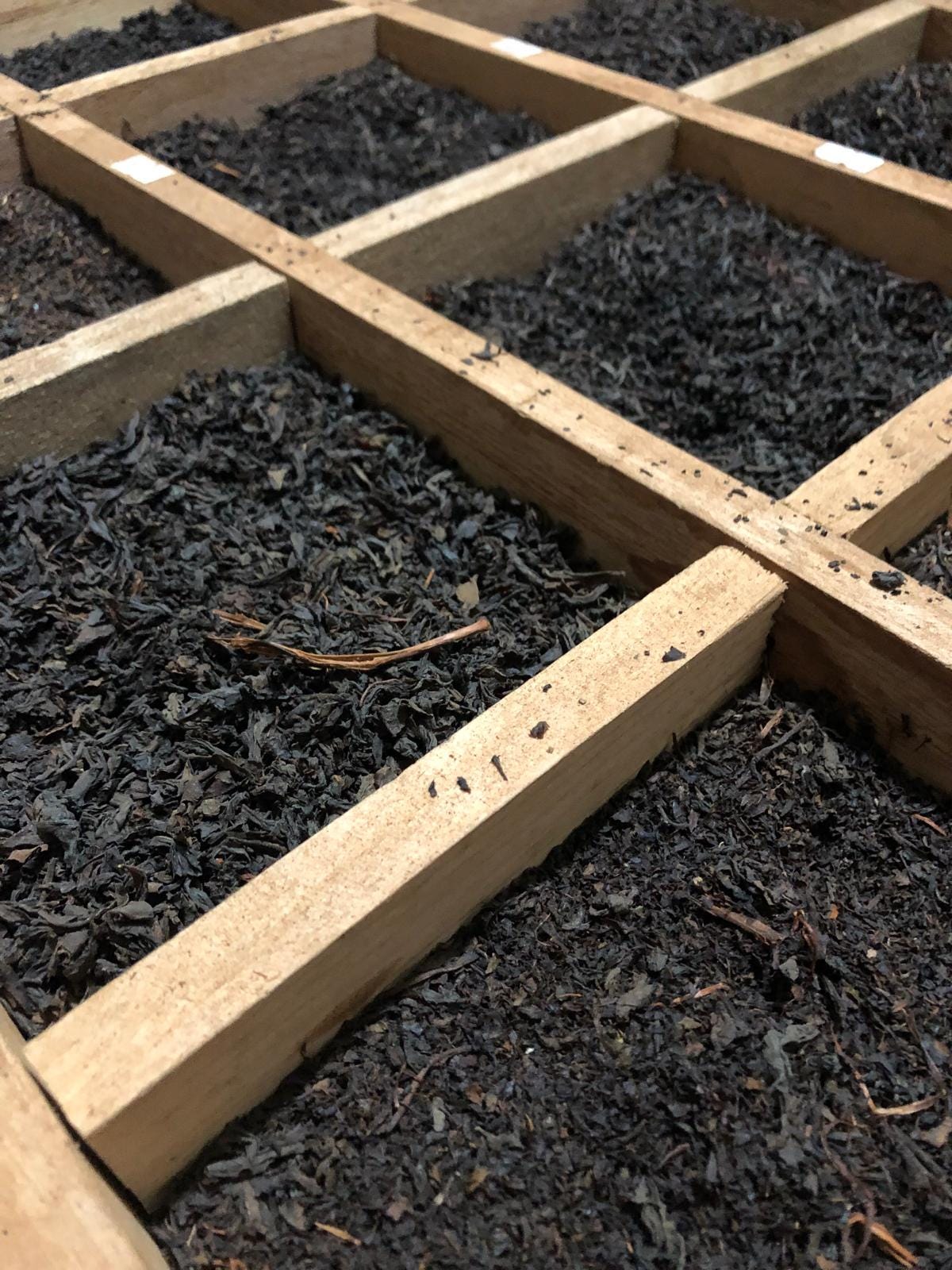
Leaf becomes liquid. That is the logic we inherit.
Trimmed. Graded. Exported.
The leaf made obedient.
But holding those seeds, I began to wonder whether the leaf had other futures.
Camellia sinensis does not belong to empire alone.
In Sri Lanka, the plant was engineered into a plantation system - slotted into the machinery that once processed coffee. But elsewhere in the region, the leaf followed older grammars.
Ceylon tea is one of the world’s largest exported teas, with Sri Lanka exporting over 300 million kilograms annually, representing around 12-15% of the global tea market. It is enjoyed in over 150 countries, making it a key player in the global tea industry.
In Myanmar, it is not only drunk - it is eaten.
Lahpet - fermented tea leaves - is a staple of Burmese highland cuisine.
What would be too harsh to chew becomes supple and aromatic.
In Sri Lanka, tea moves from hillside to auction floor.
In Myanmar, it moves from field to village table - from export to intimacy.
In Myanmar’s highlands, tea is inheritance - shared to seal marriages, offered to monks, mixed into daily meals..
One Leaf, Two Logics
In Sri Lanka, tea became empire. In Myanmar, tea remained village.
Tea in Sri Lanka is plantation logic made visible - surveyed, terraced, disciplined into geometry. When coffee leaf rust devastated the plantations in the nineteenth century, tea was not chosen because it was culturally inevitable.
It was chosen because empire required continuity of extraction. The crop changed; the system did not. Land, labor, and export infrastructure remained intact. Tea was slotted into the machinery that had processed coffee - estate agriculture, wage labor, auction floors in Colombo, ships bound for London. From Ceylon to Java, the leaf was trained into scalability. It became global by becoming standardised.
The story required polishing. Posters declared Ceylon “The Home of Good Tea,” issued not by a farmer but by the Ceylon Tea Propaganda Board. Serenity was printed in saturated colour. Labour was aestheticised. Empire did not only engineer the hills; it engineered the image.

From Ceylon to Java, where the Dutch built their own tea estates, the leaf was trained into the same discipline: estate agriculture, export, metropolitan appetite.
Jewish merchants in Rangoon and Calcutta moved inside this same imperial circuitry. They financed, brokered, shipped, and insured commodities that moved from plantation to port. But the tea that entered their ledgers was not lahpet. It was graded leaf, auction lots, export weight. The upland fermentation culture of Shan State did not travel with the commodity. It stayed in the hills.
The slopes of Uva are beautiful. But they are not innocent. They are landscapes engineered to feed London’s breakfast tables. The plucker’s fingers move with extraordinary skill, yet the architecture around her - the estate system, the wage structure, the export chain - was not built for her. Tea became global by becoming scalable.
But that is not the only destiny of Camellia sinensis.
Long before British brokers auctioned Ceylon lots in Colombo, tea moved across mountain corridors linking Yunnan to the uplands of what is now Myanmar. These were not maritime trade routes but highland pathways - mule tracks, caravan lines, kinship networks. Tea trees grew in forests that predate empire.
Before tea was an imperial beverage, it was a mountain crop.
Myanmar’s tea world evolved differently. In Shan State, there are no vast colonial estates imposed from a distant capital. Most tea is grown by smallholders - families working a few acres in the highlands. Processing happens in homes, in village sheds, in modest regional factories. The leaf does not automatically enter a global commodity stream.
Tea here is embedded in upland economies that historically negotiated distance from lowland states - Burmese kingdoms, British administrators, even contemporary central authorities. In these highlands, tea cultivation is intertwined with ethnic identity, particularly among Ta’ang communities who trace their relationship to tea back centuries.
And crucially, the most culturally important tea is not black but fermented.
Lahpet.
Fermentation slows the leaf. It removes the leaf from the rush toward oxidation and auction and places it into another temporal frame. The leaves are heated to halt oxidation, pressed, sealed, and left to transform slowly through microbial life. Weeks. Months.
Time works on the leaf.
What would be too bitter to chew becomes supple, sour, complex.
Naomi Duguid in her luminous Burma: Rivers of Flavor, describes lahpet thoke not as a fixed recipe but as a structure: fermented tea at the centre, surrounded by crunch, oil, and lime. In Shan variants, dried shrimp disappears; herbs take its place. The architecture holds. The region speaks through variation.
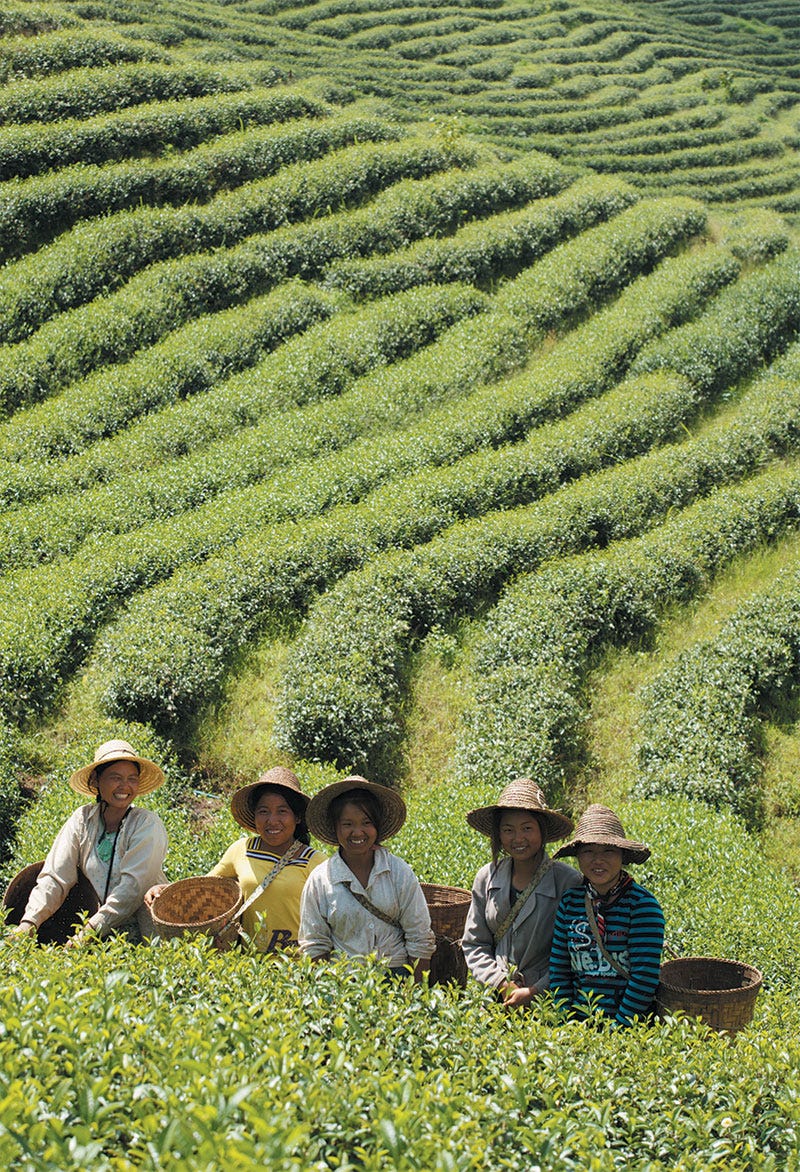
Tea growers, Myanmar highlands.
Terraces shaped by slope and season - not estate grids.(Credit Wikipedia)
If you want to taste this alternative logic, here is one doorway.
This version leans toward the Shan upland style - always mixed, without dried shrimp - keeping fermented tea visibly at the centre.
👉 Get your PDF printable recipe card for the Lahpet Thoke (Shan-Leaning Fermented Tea Leaf Salad) here
Plantation accelerates. Fermentation waits.
In Sri Lanka and Java, tea moves quickly toward grading and export.
In Shan State, tea can sit underground for months before entering the mouth.
One system is built for ships. The other for households.
In Sri Lanka, tea became a national export.
In Myanmar, tea became a cultural centre - shared to seal agreements, offered to monks, mixed into daily meals. It is not merely what is sold. It is what is shared.
When you drink tea, the leaf dissolves. When you eat lahpet, you chew inheritance.
One leaf. Two logics.
Back in Uva, a seventy-year-old woman placed a handful of tea seeds in my palm.
Planting tea from seed is slower than planting cuttings. It produces less uniform plants. The first harvest takes longer. The outcome is less predictable.
But the roots go deeper.
Empire prefers cuttings - cloned and uniform across acres of hillside.
Seeds introduce variation. Patience. Time.
They do not guarantee geometry.
They grow according to their own negotiations with soil and climate.
Heritage, like seed, does not travel intact. It germinates differently in new soil.
Empire prefers geometry.
I am holding the seeds.
✨ All posts are free; paid subscriptions are optional, and your support is deeply appreciated.
💬 Share your story in the comments, or pass this essay along.
📖 To support more work uncovering Jewish food in unexpected corners of the world, consider subscribing to Beyond Babylon.
Lovely ! Linked to the reading or fortune telling of the coffee cup (the sediments) , patterns left behind after drinking a cup of tea was used to tell your fortune . Tea Leaf reading was quite a common practice amongst the Mizrahi Jews, something that was done largely by women. So there you go, another use of the tea leaf !
Fascinating, thank you!....and beautiful photos..